
Theme 1
TFEB, a master switch for defense
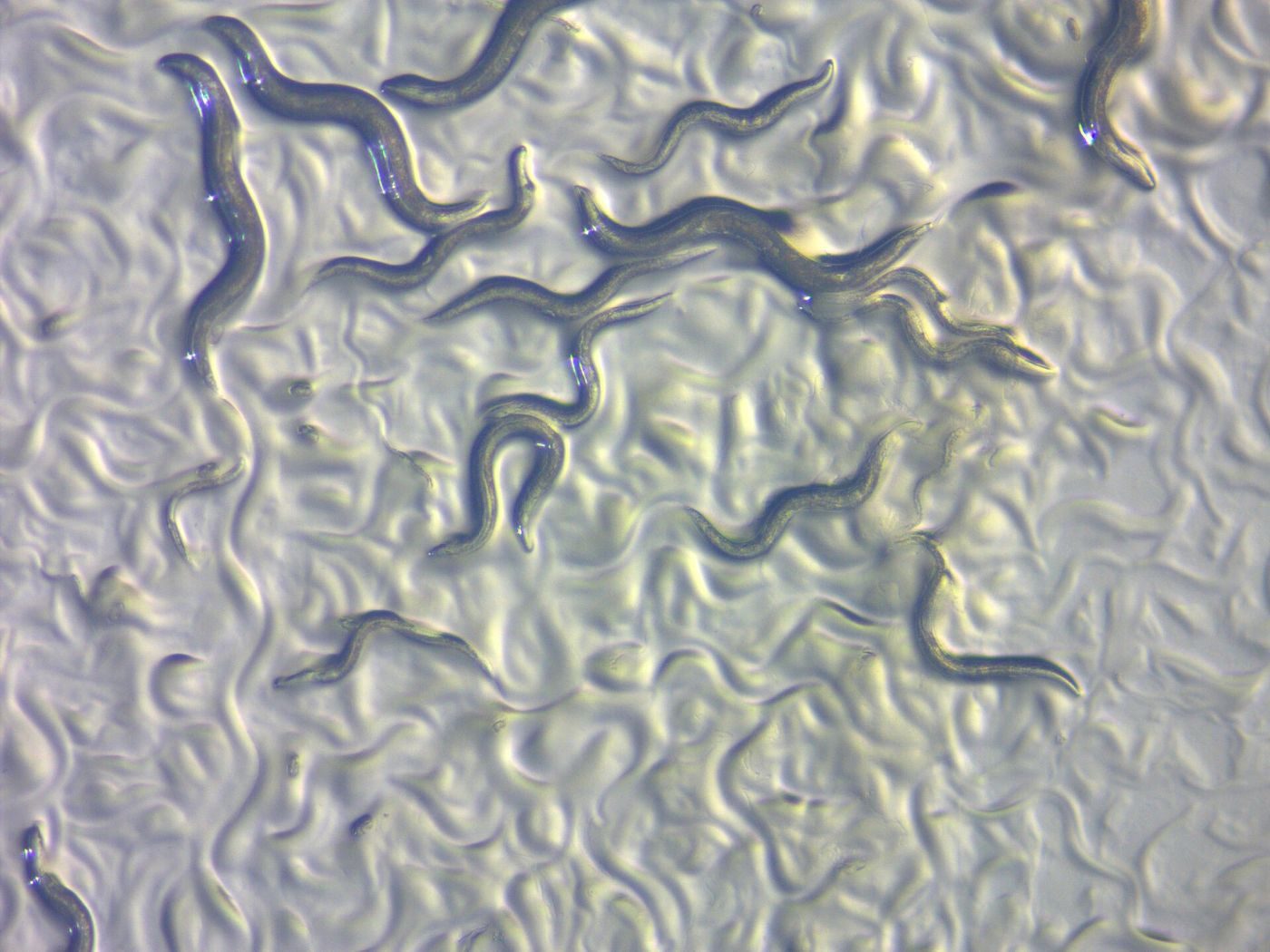
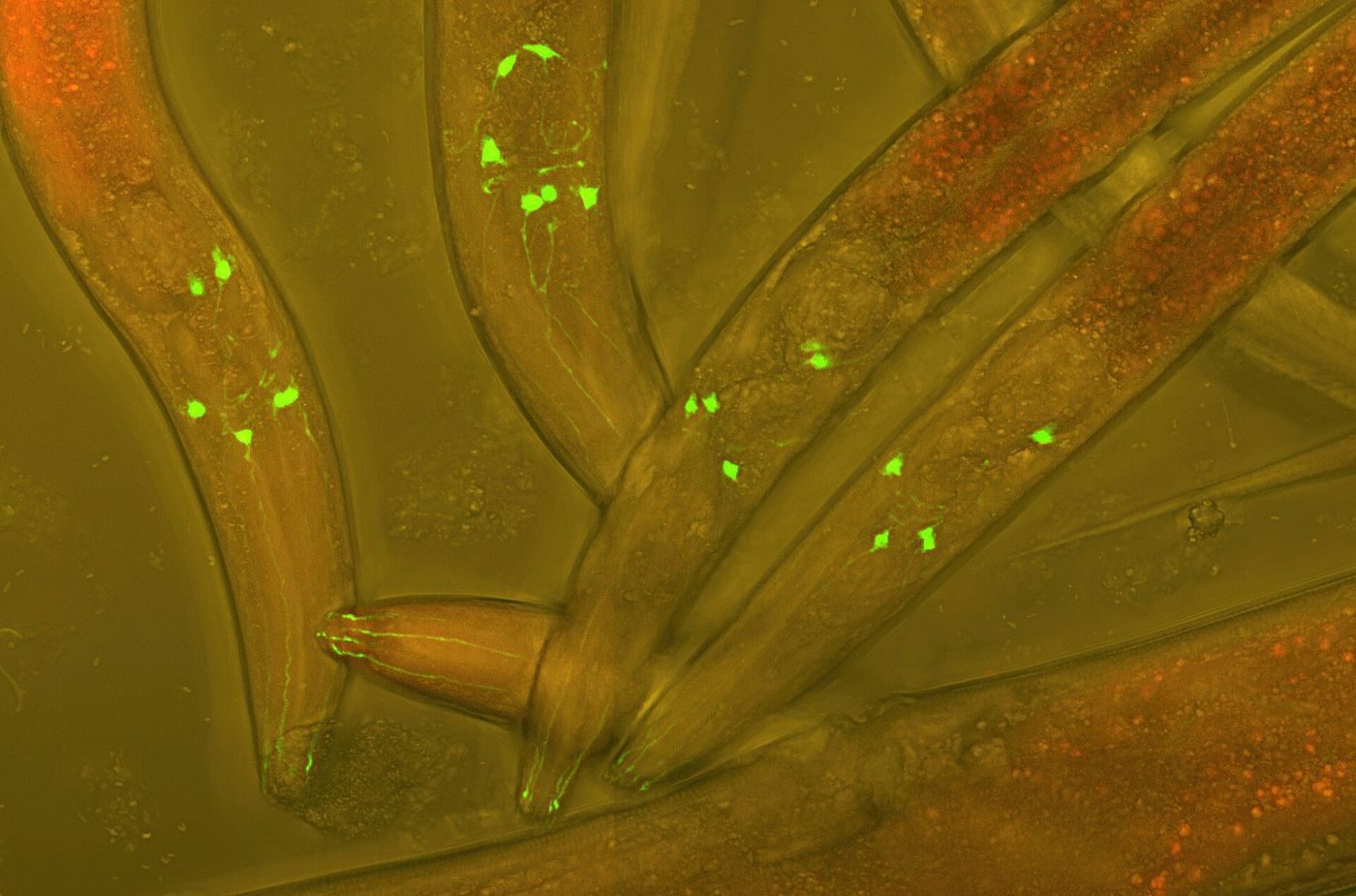
When an animal is infected, its cells must turn on the right defense genes at the right time. We found that TFEB, called HLH-30 in worms, is one of the main switches.
What we found
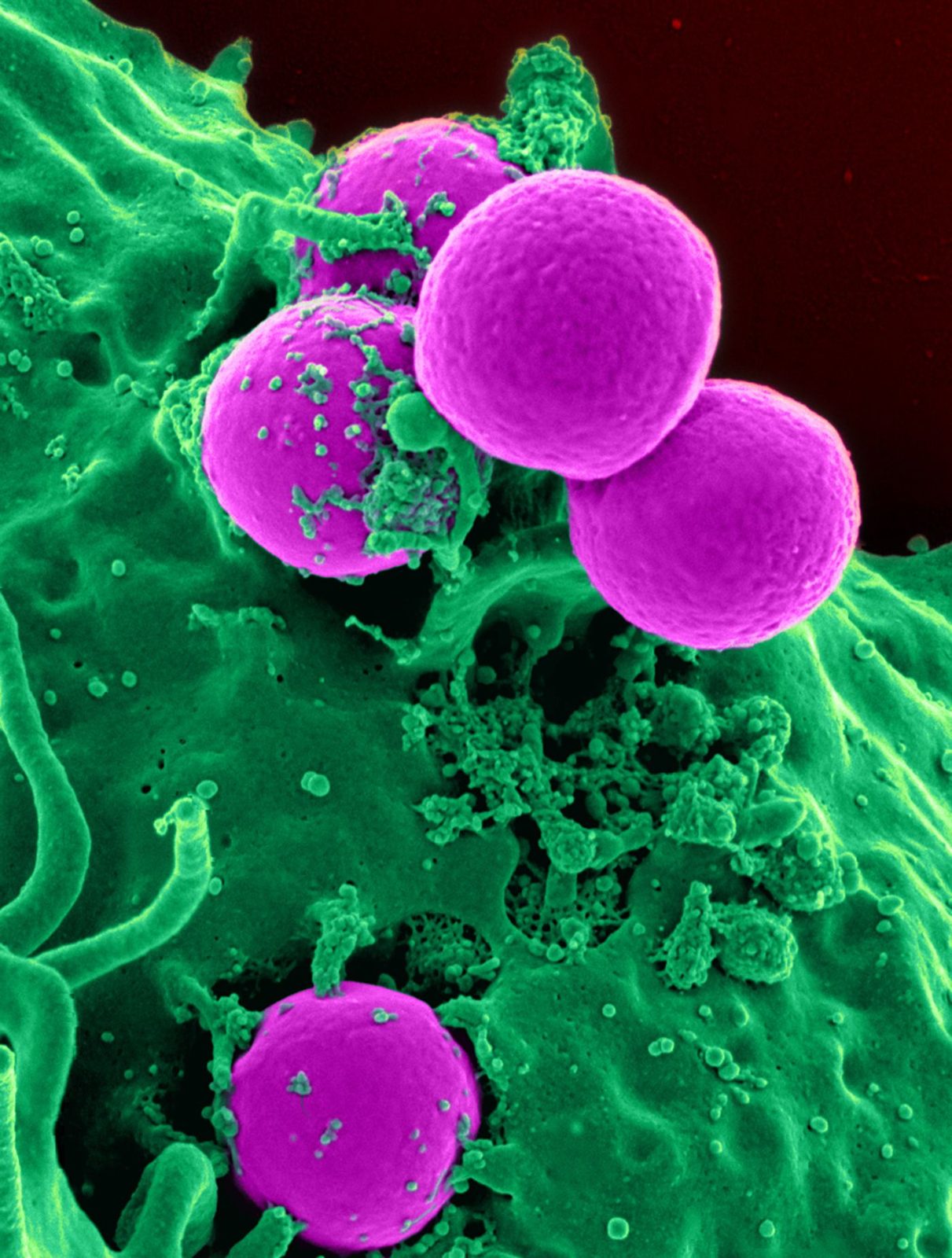
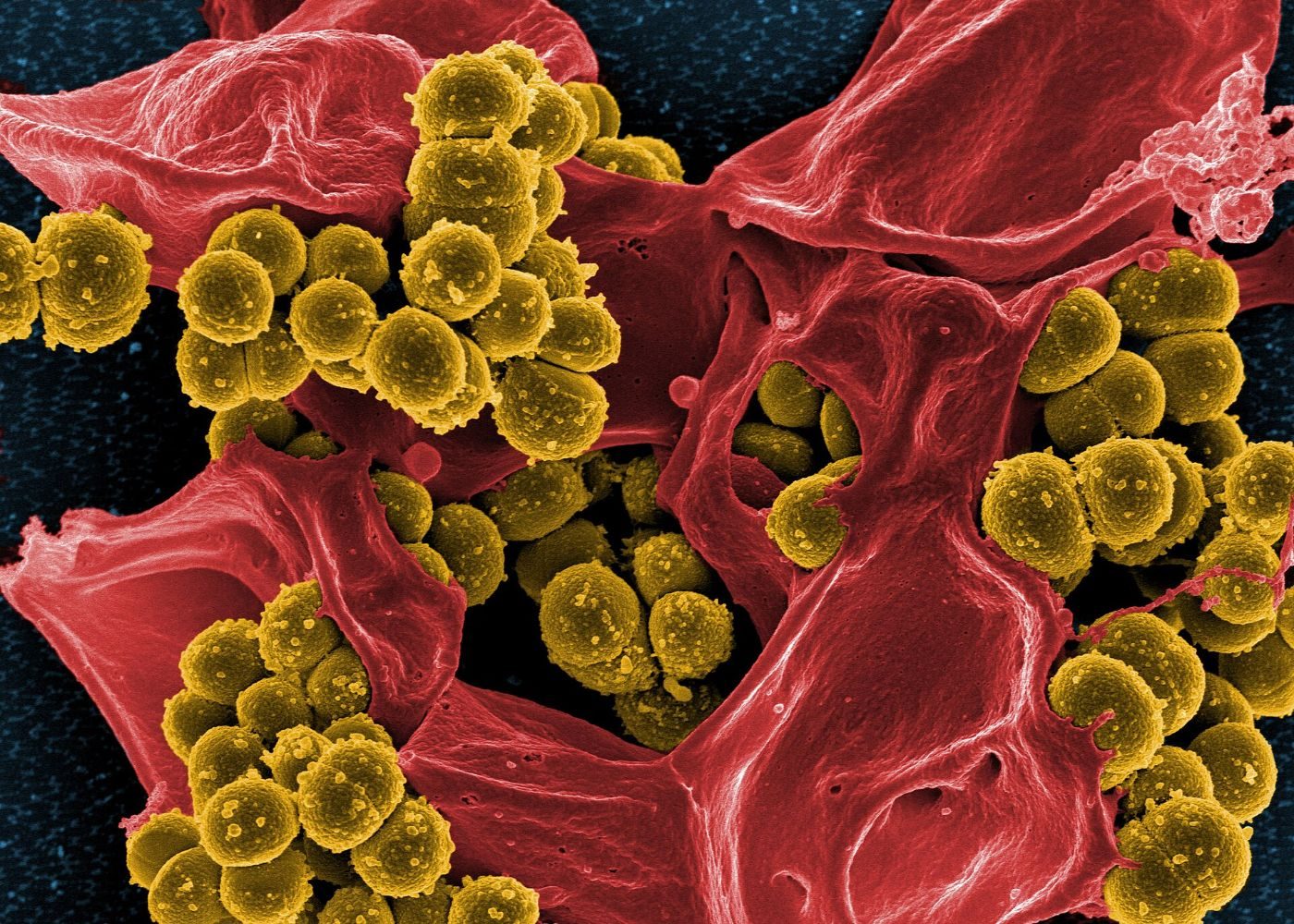
- In worms infected with Staphylococcus aureus, HLH-30 switched on soon after infection and drove close to 80% of the animal's response, including genes that kill microbes and genes for autophagy (cell recycling). TFEB was also needed to turn on several inflammatory genes in mouse macrophages. PMID 24882217
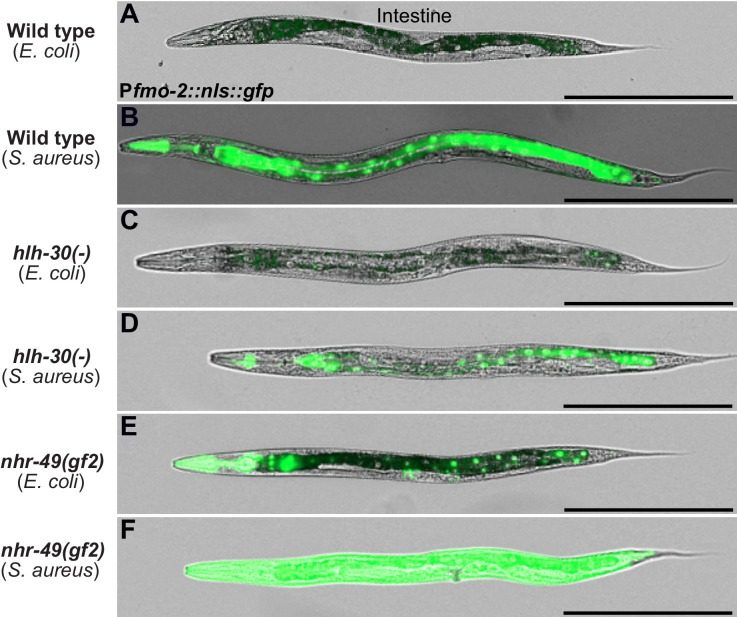
- Removing HLH-30 erased almost all genes turned on by infection but not by starvation. One of the few left, the defense gene fmo-2, was essential for survival; it needed a second regulator, NHR-49/PPAR-α, to switch on. PMID 33978570
- HLH-30 also turns on NHR-42, which acts as a brake: worms lacking NHR-42 survived infection better and made more antimicrobial genes. PMID 36860863
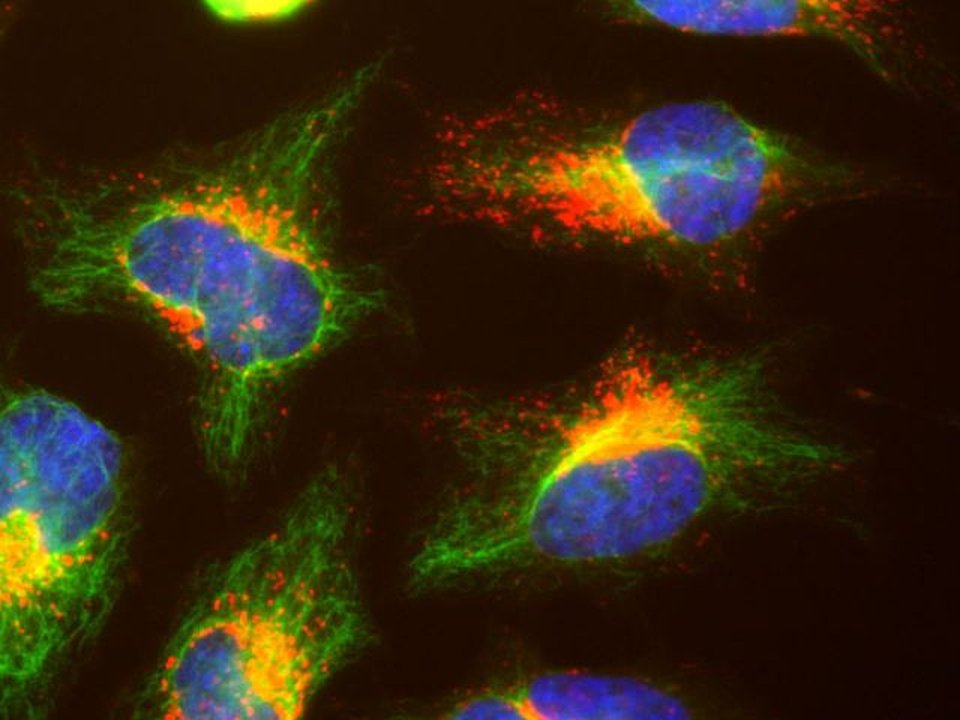
- Our review describes TFEB and its relative TFE3 as key regulators of innate immunity and inflammation. PMID 31959514
Key papers: PMID 24882217, PMID 33978570, PMID 36860863, PMID 31959514


_and_a_dead_Human_neutrophil_-_NIAID.jpg)
.jpg)
