

.jpg)
2025
An infection damages pain-sensing nerve cells
Read the paper: An infection damages pain-sensing nerve cellsPubMed record for this paper
Laboratory of Comparative Immunology
We study the host side of infection. Our questions are simple to ask and hard to answer: how do cells know they are under attack, which genes do they switch on, and how does the lysosome, the part of the cell that breaks down waste, help them survive?
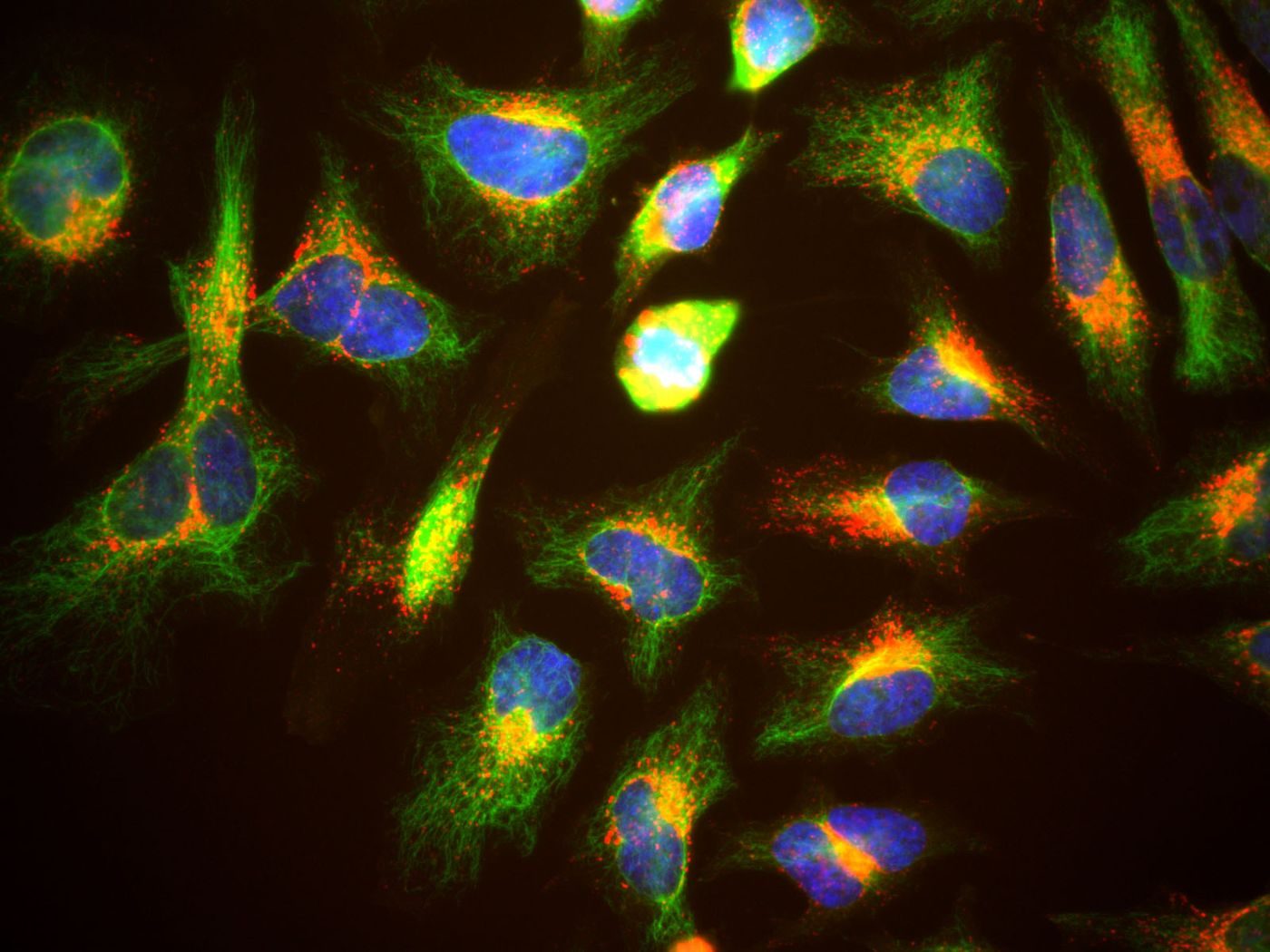
About the lab
Our lab found that TFEB, a protein best known for building lysosomes, also switches on defense genes when an animal meets a harmful microbe.
We first saw this in the roundworm Caenorhabditis elegans, where the TFEB protein is called HLH-30. We then found the same switch at work in mouse immune cells. Today we follow TFEB from worms to macrophages and to the cells that line the gut, to learn how infection, the nervous system, and the gut's own microbes shape the body's defenses.
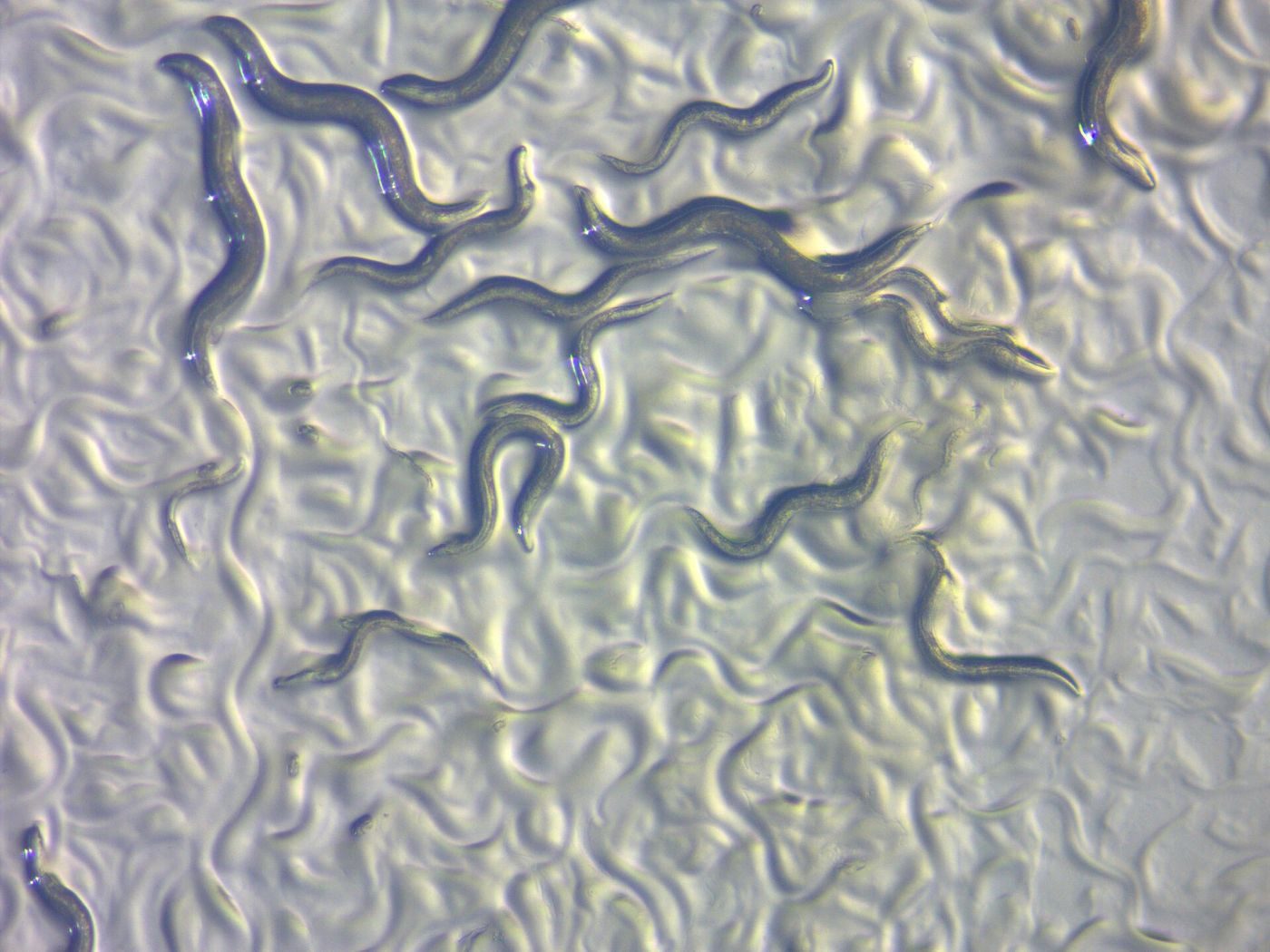
What we study
Watch Javier describe our work in a short video from UMass Chan: Javier Irazoqui researches communication between the gut and the nervous system (YouTube, 2 minutes, 2017).
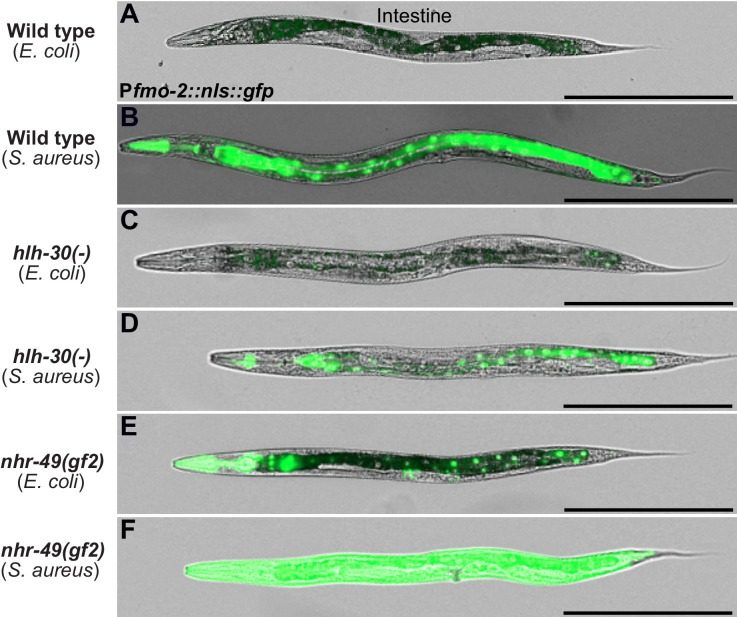
How one protein turns on the genes an animal needs to survive infection.
Learn more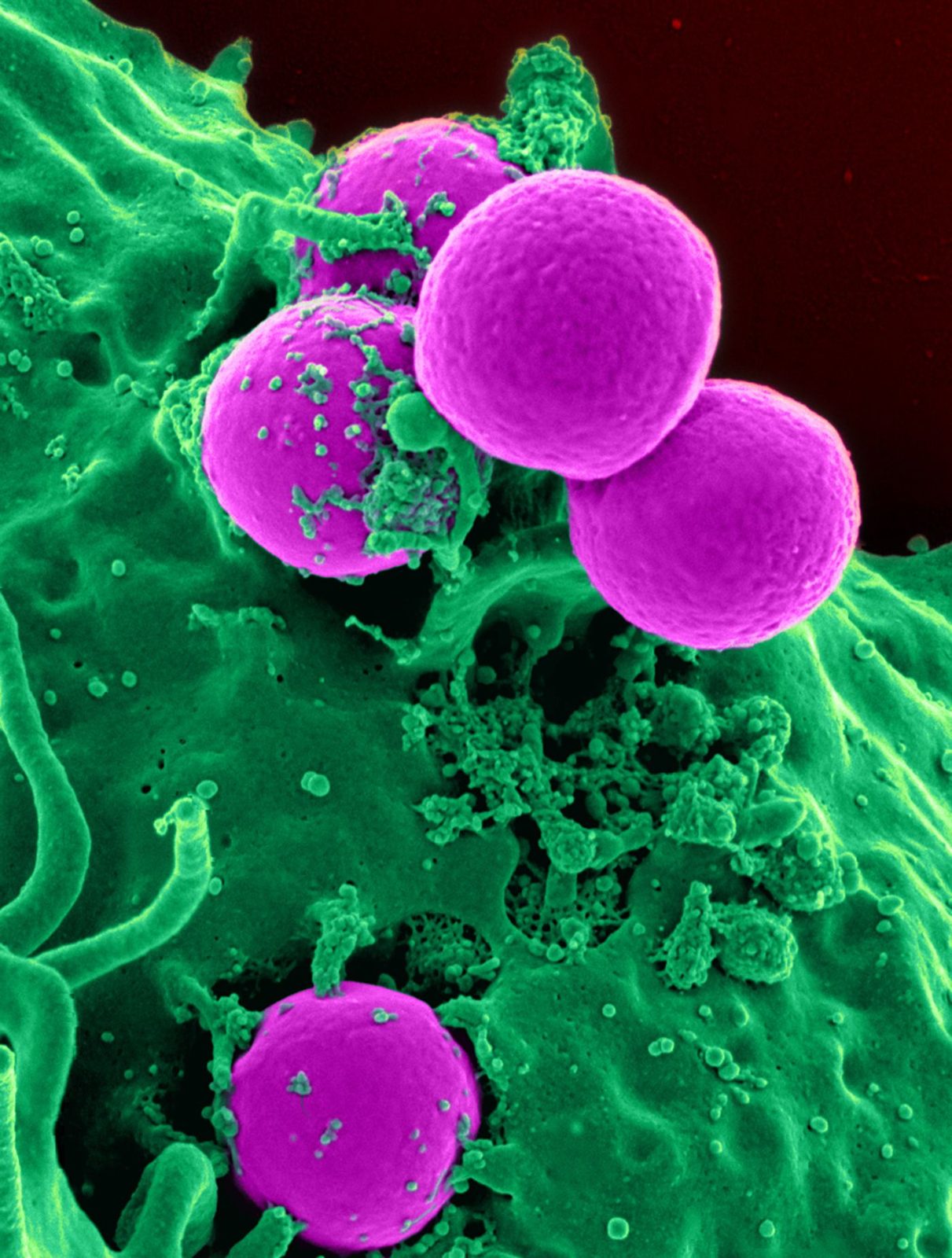
The chain of signals that flips the TFEB switch when immune cells swallow bacteria.
Learn more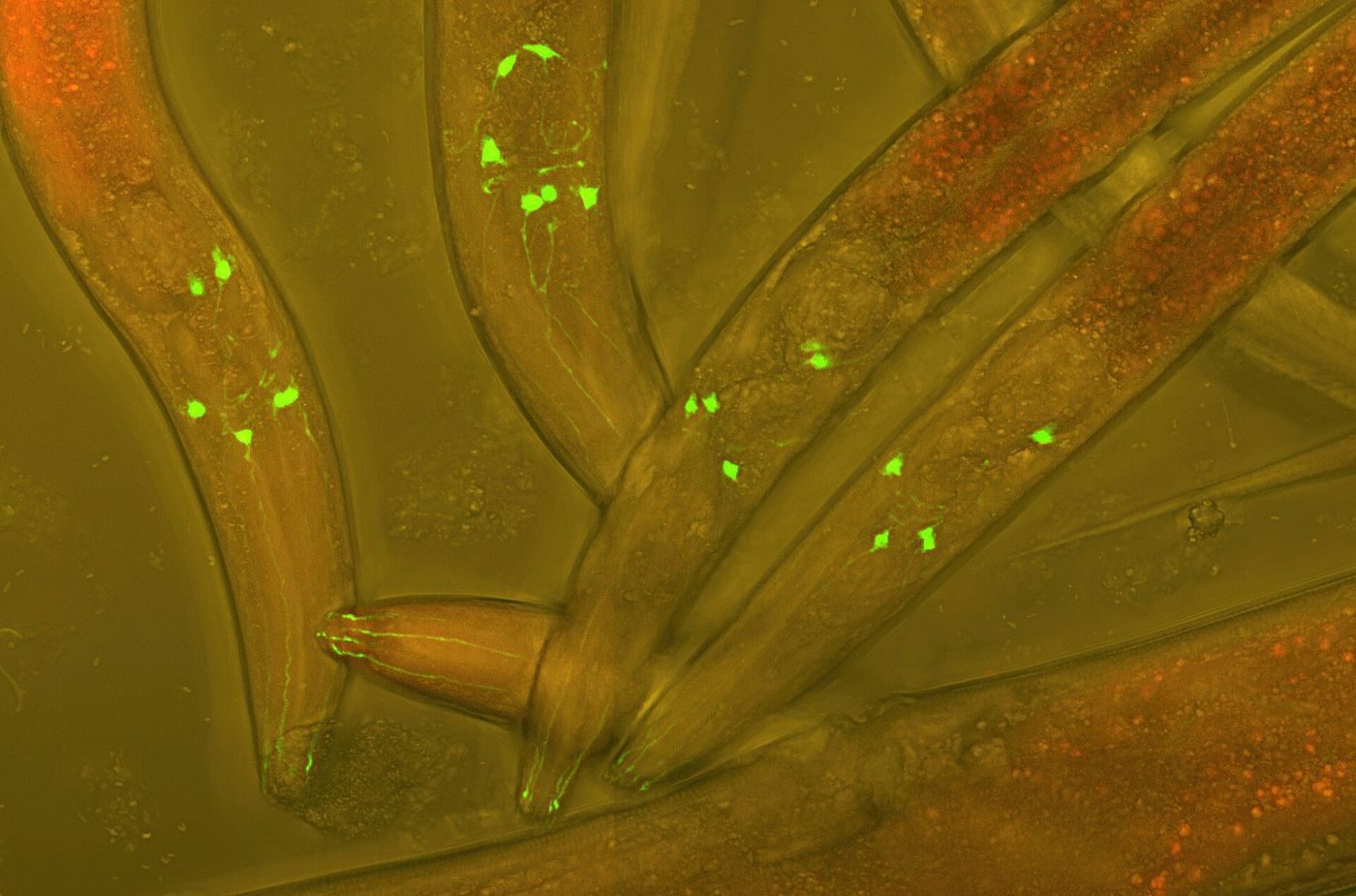
How the nervous system helps the gut fight infection, and how infection harms nerves.
Learn more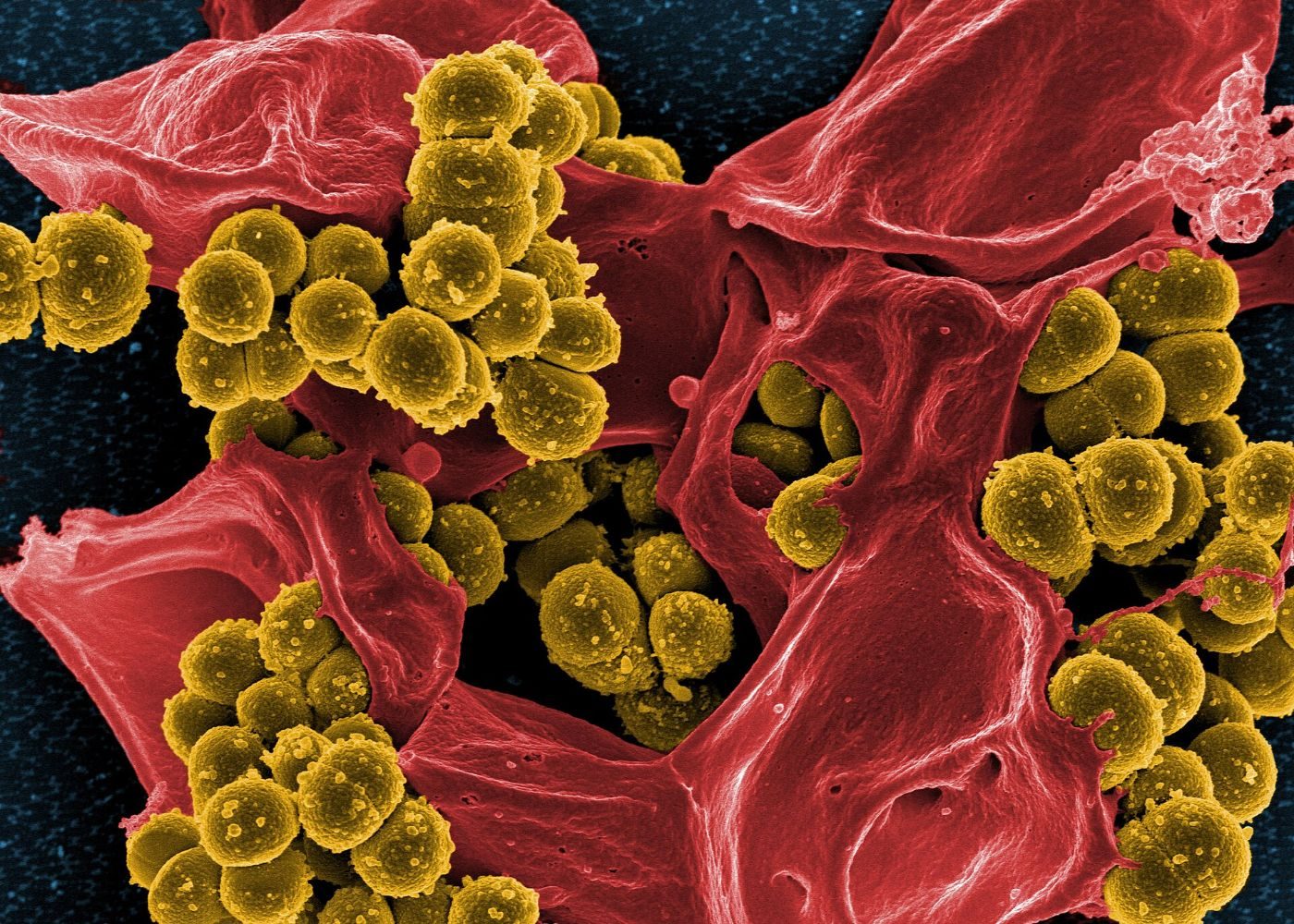
Why some gut microbes turn harmful when the host's defenses fail.
Learn more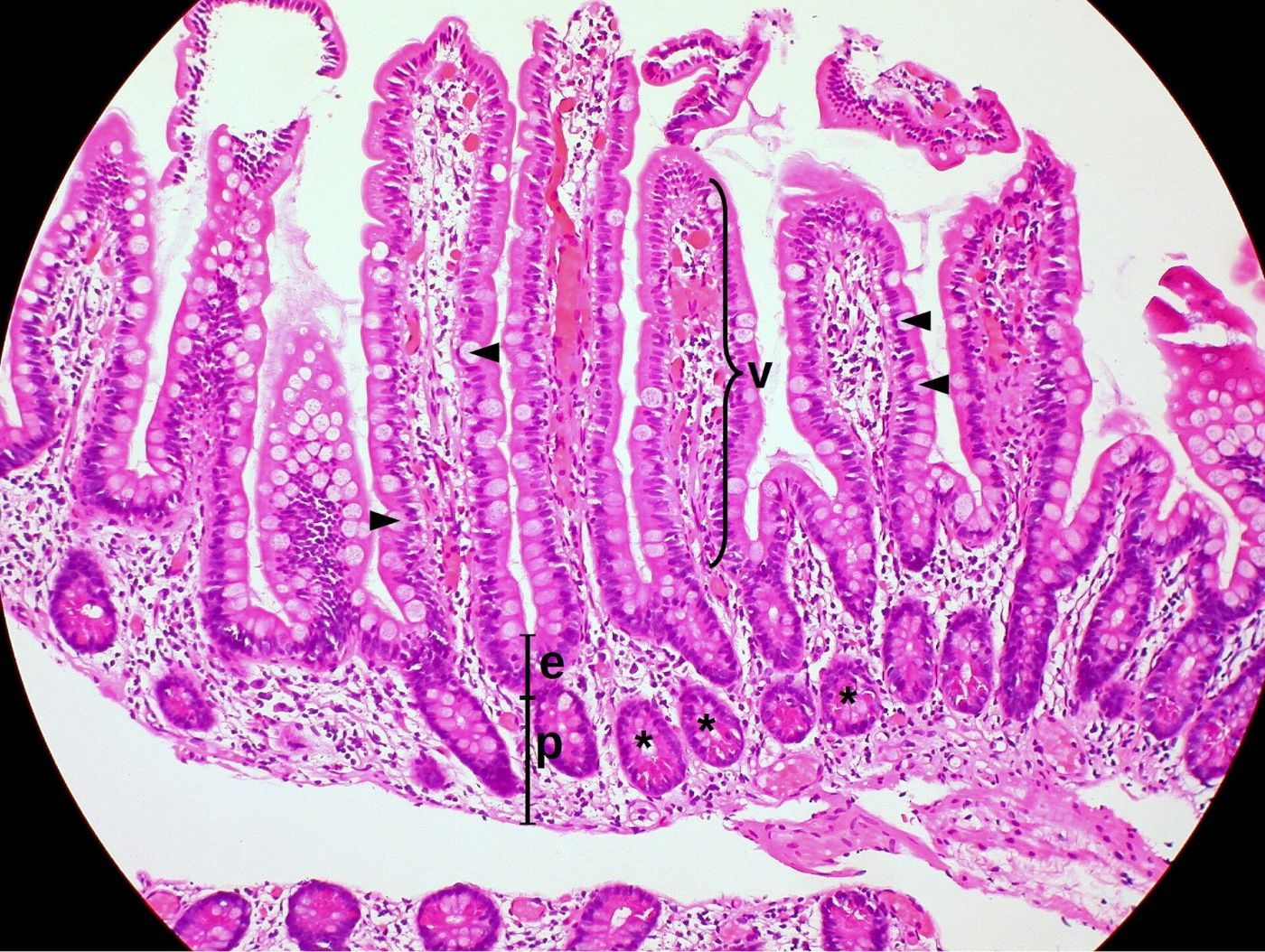
What TFEB does in the cells that line the intestine, from mice to human cells.
Learn more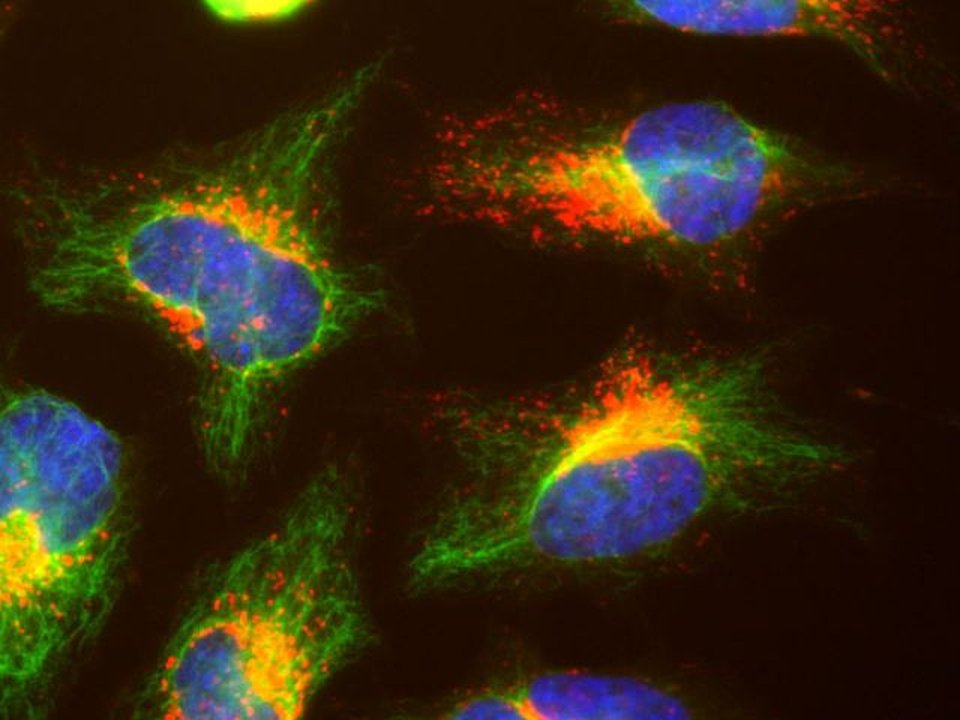
Lysosomes, peroxisomes, and how macrophages eat microbes tagged by complement.
Learn moreRecent papers
Read the paper: An infection damages pain-sensing nerve cellsPubMed record for this paper
Read the paper: A nicotine receptor switches on TFEB in macrophagesPubMed record for this paper
Read the paper: Hidden harm in the worm's own gut microbesPubMed record for this paper
Our mission
“To increase knowledge of host-microbe interactions with the goal of improving the human condition.”
Increase knowledge of host-microbe interactions, with the goal of improving the human condition.
Foster independent and original thinking in learners of all backgrounds and conditions.
Promote public awareness of scientific issues.
Join us
We believe everyone can grow and improve, and that mistakes are how we learn. We welcome curious graduate students, postdocs, and undergraduates who want to study infection and immunity.
.jpg)